Wednesday, March 4, 2015

Fifty Shades of Grey - Totally Not BDSM

Yes, I'm sure you knew that I was going to make this blog post eventually. But it needs to be done! 
The contrasts between actual BDSM /S&M relationships and what is depicted in Fifty Shades of Grey should be made by someone who would rather inform others of what actual kinky relationships like these are about, not some Twilight fan fiction with bondage and undertones of abuse. 


I take books and sexual lifestyles seriously, so sit down. 

What is BDSM?
- It is made up of a few pairs of words. Bondage and discipline, dominance and submission, sadism and masochism. 
- Has the motto of being safe, sane, and consensual.
- Involves different protocol, etiquette, and behaviors based on the sub/dom relationship.
- Often has a "safe word" in case someone is feeling uncomfortable.
- Can lead to happy and more confident lifestyles.

In some instances, the dom controls the sub with protocols. If it's high protocol, the sub is doing everything for their dom to please them and staying by their side. Medium protocol is a step down, perhaps involving just listening to their dom. 

This doesn't mean that there isn't abuse in some BDSM relationships. Sometimes submissives don't know what kind of person their dominant is. This is why we connect with others and share experiences. 

What BDSM is not
- A right to abuse/injure another person. 
- It's not always caused by an abusive childhood or other trauma, as mentioned in FSaG.
- About the sub being "weak"
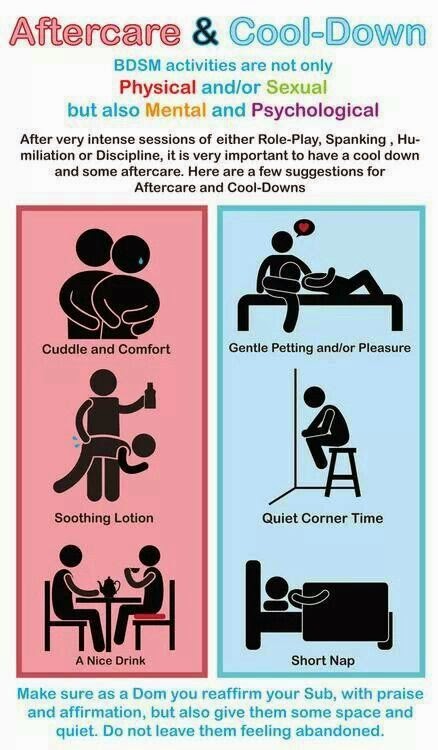
- All about flogging, humiliation, pain, and discipline all the time. You're still humans and you need time to be cared for.

Doing some research about the book, I found that there are several instances of abuse or undertones of it. I will fully admit that I have never read the book myself and do not intend to. If I want erotica, I'll go to the professionals like A. N. Roquelaure (aka Anne Rice), Anaïs Nin, and other wonderful authors. But I digress...

Christian Grey begins stalking Ana and later admits to it, gets her drunk so she can't give consent, manipulates/intimidates her, becomes possessive, uses threatening language and eventually threatens her, has her sign a contract to not discuss what they do to anyone else, doesn't consider her lack of sexual knowledge and uses it against her, controls her body and eventually rapes her! Don't believe me? Check out this nugget of text. 
https://s-media-cache-ak0.pinimg.com
/736x/aa/7b/78/aa7b785ea
2e6e04104d64d4780f77988.jpg
No” – I protested, trying to kick him off. He stops. “If you struggle, I’ll tie your feet together too. If you make a noise, Anastasia, I will gag you. Keep quiet. Katherine is probably outside listening, right now”

Overall, I this book severely mangles what a proper, healthy connection with BDSM is. Don't read it, keep away from it unless it's for research on smut. 


If you want some homework to do, check out these sites on healthy/unhealthy BDSM relationships. 


For reviews on 50 Shades of Grey


Finally, a message to E L James.

Tuesday, January 6, 2015

Going All Night - How Long Do Men Last?

"'The minimum duration of sex—including seduction, foreplay, and intercourse—should be about 30 minutes. "Anything under half an hour is not satisfying to a woman,' Cadell says." [MensHealth.com, Have the Sex Life You Dream Of]

Maybe it's just my heightened libido or imagination, but that doesn't seem long at all. Perhaps it's the social media pushing their stereotypes of what sex should look like, sound like, and be like that makes us think that sex should last longer and is going to be the greatest thing in the world! Which is wrong, by the way. Coffee is the greatest thing in the world. Right next to games, nature, tattoos, and Markiplier.


So how long does a guy typically last versus how long they "should" last? Depending on how long men last, what does premature ejaculation look like? It's going to be sticky and messy, but we've got it. 


That was a little gross...


How long does a guy last?
Typically, a man lasts about 10 minutes before he comes. Some men last longer depending on their situation. According to some articles online, sex should last about 16 minutes without counting foreplay. That's isn't going to happen all of the time. 

That's great, but what if I come too fast?
Taking some information from WebMD, approximately 20-30% of men have premature ejaculation. Studies show that guys who deal with premature ejaculation last about 5 minutes. But this isn't always what it looks like. Some men would say that they have it, but can continue having sex after they ejaculate while others say that they don't have it and may only last for a minute. Sometimes men don't even orgasm as they ejaculate! However, coming quickly isn't always a bad thing (well, your partner/partners may think otherwise). 

In the past, we had to keep our population up in order to survive and eventually thrive. If you were having sex for the sole purpose of making a baby, you're not as worried about how long you'd last or how to please your partner. But now that making our population larger isn't a problem, our social views on this have changed. Now it's all about the pleasure, excitement, and fun you can have during sex. 

What can help a fellow last longer? (I'm running out of slang terms for men...)
There are a few theories of how a man can last longer, unless he has a medical condition. Some ideas are: eating more fruit, getting some exercise, and managing your stress. In fact, the more stressed men are while trying to get another erection, the less likely they are to achieve their goal because they're likely to become hard during a relaxed state. Other theories depend on the interest in sex at that time and the sexual positions used. Some positions can help a man last longer than usual. 

A few things to remember: 
Guys, you're not your penis. Your self-worth shouldn't be determined by how big you are, how long you last, etc. Do your best and try being creative! If you can't have sex the way you want to or you finish too early, perhaps talking to your partner(s) about what they'd like to try instead. 
Don't compare yourself to porn stars. Though they seem to be able to come on command and last for hours, they've probably taken a few things or are terribly gifted. You're awesome the way you are; no need to feel less-than. 

If you have anything to add to this article, please send me a message and I'll be happy to find a place for it. Otherwise, stay safe and thanks for reading!


Monday, November 3, 2014

Awkward & Sweaty - Puberty

Puberty! 


Aww yeah! Nothing quite like raging hormones to kick you into adulthood. From mood swings and bloating to wet dreams and sweating, most people can agree that it sucks. You're always feeling weird, you sometimes develop pimples and weight gain. It's not the best. But here's the basics, just in case you need some assistance.

For intersex individuals (those whose sex attributes aren't identifiable as male or female), their characteristics are usually more noticeable during puberty.

For trans* identified young people, delaying puberty before it occurs allows them to mature to the gender they are transitioning to via hormone blockers.

Puberty generally begins around 8-14 for girls and 10-14 for boys.

Girls

7-13   Breast growth 
8-14   Pubic hair growth & curling 
8-15   Vagina growth
9-16   Periods begin 
9-14   Body growth 
11-16   Underarm hair growth 
11-16   Pimples & blemishes 

During puberty, your hips get wider and waist gets smaller. This is because your body is preparing for potential childbirth. This doesn't mean you have to have kids, it's just how your body works.

Vaginal discharge: Sounds gross, doesn't it? I used to get scared when I saw this. I thought that I was pregnant because I masturbated. But this isn't anything like that and it doesn't mean you're pregnant. It's a fluid that cleans and moistens your vagina. It can look yellow, white, or both. Usually, you'll find it on your underwear or pants, if you don't wear underwear. This is natural and normal, so don't freak out! But if it's painful, itchy, or smelly, you should call your doctor or talk to your guardians. You may even visit a health center near you for an anonymous check-in. Until then, you can avoid awkward situations with the family by wearing pantiliners or pads.

Express yourself – Sometimes during puberty, you become more confident and are able to express yourself better. Though you will become emotional and cry often. Don't worry, you're going to be okay. Crying is a part of getting your period. Remember to take time for yourself, take care of your body, and try therapeutic methods before snapping (count to 10, take a few deep breaths).


Boys

10-13   Testicular growth 
10-13   Pubic hair growth & curl
10-16   Bodily growth 
11-15   Penis grows 
11-15   Voice gets deeper 
11-17   Potency (you're able to
make babies)
12-17   Underarm hair growth 
12-17   Pimples & blemishes 

Voice cracking is part of your voice getting deeper. You'll sound funny for a little while, but it will clear up in time.
Ejaculation and wet dreams will be an experience for you guys. Sometimes you'll wake up with an erection, sometimes referred to as “morning wood”. This is normal, you're not a weirdo. You'll also experience sexual dreams and wake up with an erection or having ejaculated. Again, totally normal. Masturbation is one option to deal with these problems, but if you're opposed to it or you can't do it due to personal or spiritual matters, try taking a cold shower. You're not sinful or wrong for having this, you're human.

Eat plenty of fruits & veggies! I know, it sounds like something you'd hear from your parents or doctors. But it really helps! Because girls go through PMS, they lose blood and may be iron-deficient or anemic. Eating beans, spinach, or eggs will help keep their iron up. Also be sure to get enough calcium and fatty acids. And unlike sodas or energy drinks, you can drink water all the time and that will solve a lot of problems (like dehydration). Also get some Protein to build muscle and Zinc to regrow DNA.

Aside from physical care, be sure to take good emotional care of yourself. Have someone there for you when you need to talk like a therapist, parent/guardian, loved one, friend, counselor, and even me! :) These health tips come from Www.mom.me

Masturbation – Jigglin' your Joystick!
Along with those wonderfully confusing hormones come sexual feelings. But let's clear up some of those cobwebs full of myths about masturbation.
  • You won't go blind from masturbating.

  • You won't become sterile from masturbating.
  • It doesn't make you oversexed, promiscuous, or a sexual deviant.
  • It isn't sinful, wrong, or sick.

Perhaps these are liberal views of masturbation, but I don't think it makes anyone feel awesome thinking that they're perverts for experimenting with self-pleasure.  
There are different rules for different family groups. Some say that masturbation is against their religion; some are more open and accepting of it. If it were up to me, I'd allow teens to just explore themselves. Sex shouldn't be shameful, especially if it's with yourself.

Excessive masturbation may be a sign of something other than puberty. If a teen is masturbating frequently, it could be a tip-off of:
  • being over-stressed
  • pre-occupation of sexual fantasies
  • not enough attention at home
  • sexual abuse
Understand that parents might worry that teaching their kids about sex will make them more sexually active, but that isn't always true. Teaching your kids about sex will decrease their curiosity and urge to find out what it's like themselves. Parents might also believe that all their children want is sex when they're a teen. However, most teens say that the one thing they want is companionship. They're looking for a partner rather than a sexual relationship. But I digress. 

As always, please remember that masturbating is private. You can explore to your heart's content, as long as you do so within your bedroom or bathroom.

Thanks to www.healthychildren.org for help with puberty information!


Tuesday, September 9, 2014

Visit My New Page!

Hey everyone! I made a Webs.com account and also made a safer sex site over there. It's like a glorified version of this with more stuff. But it's fun to look at, so please stop by!

The blog will remain up and running, the site is a fun side project.

http://insidelukasbedroom.webs.com/

Hope to see you there!

- Luka

Sunday, September 7, 2014

Ding-a-Ling! - Learn about the Penis


Johnson, dick, cock, skin flute, tiny Tim, Jurassic pork, muff marauder, rod of lordly might...the penis. There were others, but they were a bit raunchy even for me. I'm partial to tiny Tim, but only because it reminds me of Tiny Box Tim. Kind of weird, really.

In this post, we're going over the functions of the penis, as we did with the vagina in a former post. Please note that there will be some images that aren't suitable for work, unless you work somewhere that often shows penises. So it may technically be NSFW.

Here's a brief guide to one very popular organ.

Glans: The head of the penis. This is one of many erogenous zones, especially right under the head. When one is uncircumcised, the head is covered by the prepuce, or the foreskin. In circumcised individuals, there is no foreskin but sometimes there is a ring around the shaft indicating where the foreskin once was. It's just a circumcision scar.

Corpus cavernosum: A set of tissue columns that help make up the shaft of the penis. When the dorsal artery within these tissue columns fills with blood, it causes an erection (boner, woody, etc). The tissues support the erection and they contract during ejaculation (cumming).

Corpus spongiosum: Another erectile tissue column that lies on the underside of the penis. Together with the corpus cavernosum, they make the entire shaft of the penis. This part of the penis contains 90% of blood during the erection.

Seminal vesicle: This gland rests behind the bladder and is responsible for hanging onto the liquid that eventually becomes semen. The seminal vesicle, as well as the vas deferens, prostate gland, and the epididymis all contribute to making semen.

Prostate gland: The prostate is the size of a kiwi or a large walnut and sits right under the bladder. This gland is in charge of exerting fluids that protect the sperm and keep them nourished. During ejaculation, this fluid is squeezed into the urethra (which goes through the center of the prostate) and comes out with the rest of the spermies. The picture to your right makes me think that the prostate is a little doorbell. Ding-dong!

Scrotum: This is the loose skin sack that hangs below the penis and holds the testicles. It keeps the testicles at the right temperature to continue to produce sperm.

Testicles: Oval-shaped organs that hang in the scrotum and are held in place by spermatic cords. These make up the testosterone and generate sperm. Inside the testicles are coiled tubes that produce sperm cells. During sex, the testicles tighten up until ejaculation.

Vas deferens/ductus deferens: A tube of muscle that starts at the epididymis and ends by merging with the spermatic cord. Its function is to carry sperm out of the epididymis.

Epididymis: These are the tubes inside the testicles which carry the sperm to the ductus deferens. They are attached to the back of the testicles and are sort of crescent-shaped.

Urethra: The urethra is a long tube that connects to the urinary bladder and has a sub-connection to the seminal gland. This allows semen and urine to pass through the penis. However, during sex, the body will typically block off connection to the urinary bladder for a short period of time so sperm can pass through.


Male Pleasure Areas

According to WebMd.com, vibrators work on penises too! They say that men with spinal cord injuries can use a vibrator to ejaculate. This works best if the vibrator is against the frenulum.

  • Perineum: I'm saving you all the trouble of searching for this on Google Images. The first thing I saw was a “perineum tear” which was less than comforting...The perineum is located next to the prostate on the male body and is a sensitive area, especially if you're trying to locate his G-spot.
  • Frenulum: The underside of the head. This is an elastic band that is one of the most sensitive areas on a male body.
  • Testicles: Gently holding and fondling his testicles while giving him fellatio is almost guaranteed to help him reach climax.
  • Nipples
  • Neck
  • Ears
  • Anus

Penile Conditions

  • Priapism: An abnormal erection that lasts for hours, long after stimulation has ceased.

  • Phimosis: When the foreskin can't retract or come back from retraction from over the penis.
  • Hypospadias: A problem at birth where the opening for urine is under the tip of the penis.
  • Erectile Dysfunction: A problem with achieving an erection, or peak hardness for intercourse. Usually caused by artery damage.


Thanks very much for reading! If you see anything missing from this post, please let me know in the comments below. Otherwise, please stay tuned for more posts!  

Wednesday, September 3, 2014

OMG! STD?! - Unraveling the Itches and Burns pt. 2

I'm just going to pick up from where we left off in the last post, and jump right into the list! Remember the acronyms as you read.

STI - Sexually Transmitted Infection      HIV - Human Immunodeficiency Virus
STD - Sexually Transmitted Disease      AIDS - Auto Immuno-Deficiency Syndrome

Widely known:
Genital warts - These fall under the category of STIs, technically. They are white-ish in color and come in either smooth, tiny bumps or large bumps that resemble a cauliflower. Caused by a type of Human Papillomavirus (HPV), these will appear on the genitals or anus. Genital warts can also be confused with a few other things like pimples, blood blisters, and sebaceous glands. 

Genital warts are passed by coming into contact with infected genital fluids, like during vaginal and anal sex. It can also be passed by non-penetrative sex, as well. If you're concerned that you might have genital warts, please check with your care specialist or a health clinic and get tested. Symptoms are likely to occur a couple of months after contraction. 

While there isn't a treatment for HPV, there are treatments for genital warts. They include liquids that stop cell growth to liquid nitrogen to freeze them or surgically removing them. Personally, I'd go with the liquid. If you do have them, remember to use protection during sex and keep your anatomical downstairs clean (don't use scented soaps! The essential oils will irritate the warts!). Ladies, please remember to schedule pap smears in order to check your business for warts or other infections. 

Herpes - Did you know that we're all likely to contract a form of herpes? I've got one right now, it's called a cold sore. There are two kinds of herpes, oral and sexual. Cold sores are a type of herpes that can be obtained via kissing or oral sex. That's the bump on your lip or tongue that feels sore and bothersome. The other is acquired by having anal or vaginal sex. To take care of yourself and your loved one(s), consider waiting before kissing or having sex until the sores are gone.

The symptoms of herpes will appear within a week, taking form of a headache, backache, itching, pain while peeing, and blisters. A quick check with your doctor or health clinic will mean some testing, but you will also get advice on how to deal with them. 

There's no cure for herpes, but they go away over time. The virus can resurface at times, but it usually remains hidden. Sometimes health care specialists will sometimes issue you antiviral tablets to keep the outbreaks at bay, though a lot of people recommend to take aspirins, give the sore areas some air, get rest, avoiding sunlight, placing water or ice on sore areas and keeping hydrated as ways to combat against outbreaks.

Syphilis - Syphilis is a contagious disease that can be given to another during sexual contact. It can even be given by long periods of kissing or close contact. Pregnant women can even spread it to their baby, putting the infant at risk. However, it can't be spread by toilet seat sharing or touching the same doorknobs.
There are 3 stages of syphilis: early, secondary, and tertiary. 

  • Early - Development of bug bite-like sores around the genitals and/or mouth within 3 weeks. 
  • Secondary - Copper-colored rash on hands and feet occurring between 1-3 months after contraction, swollen lymph glands, and flu-like feelings.
  • Tertiary - Without treatment, it can begin to take form of blindness, impotence, heart/brain/nerve problems.
Please check with your doctor or health care provider if you think you have syphilis. It will only take a blood test to find out what's going on. A few treatments include penicillin injections or antibiotic tablets. 


At this point, I'm starting to get tired and a little itchy. Maybe it's just the talk about all of these infections and stuff. To alleviate some tension, here's a cute picture.


Aaand, we're back.


Pubic Lice (Crabs) - Much like head lice, these are insects that attach themselves to the genital areas of people. They cause itching and can be easily found via the eggs that they leave around. Pubic lice are spread through sexual contact among adults and can be a sign of sexual abuse in children. 

Lice can inhabit things that people often come in contact with, like clothing or bed spreads. As per usual, please see your health clinic (I know, I sound like a broken record right now). To treat them at home, use a lice-removing shampoo to kill the existing lice. After, go through with a comb and tweezers to remove the eggs. Be sure to wash clothes and bedding in hot water before continuing treatments. Anything that can't be washed in hot water, store in a air-tight bag for up to two weeks. Continue to treat yourself for another week and a half, and refrain from having sex. Please have family and sexual partners check themselves for public lice to ensure that everyone gets treated and is healthy. 

Pelvic Inflammatory Disease - PID is an infection that sometimes has no symptoms, but is very common. This infection harms women's reproductive systems, and is usually caused by uncured or untreated chlamydia or gonorrhea. If there are symptoms, they come in the forms of vaginal discharge, pain during periods, fevers, stomach illness, back pain, and pain during sex. It is commonly spread via sex with someone infected with chlamydia or gonorrhea. Please inform your sexual partner(s) if you have PID so they can be checked for STDs. 

After a care provider gives you a pelvic exam and determines the treatment needed, you'll be recommended to take at least a week to rest and remain hydrated, as well as taking some pain killers. Don't use tampons!

Some types of birth control include protection against PID, but condoms and other forms of protection are still recommended. If left untreated, it can cause infertility or pregnancy difficulties. 

HIV - One of the most common and dangerous STDs, HIV is the precursor to AIDS. This virus reproduces by itself and goes after other viruses before then attacking your T-cells and your immune system, the system in control of regulating and killing off illnesses in your body. Once your immune system is weakened, other common sicknesses can get in and keep you sick and your body can't fight them. 

HIV can transmitted through sex, drug injection use, pregnancy, exposure at work, and blood transfusions. Bodily fluids that can contain the virus are blood, semen, pre-cum, rectal fluids, vaginal fluids, and breast milk. If any of these come into contact with damaged tissues (torn anal tissues, cuts, etc) or mucous membranes (inside of your mouth) on your body, you can acquire the virus. It is rare that a mother spreads HIV to her baby during childbirth or that someone gets HIV through a blood transfusion. Much like the others, HIV has flu-like symptoms, including rashes. However, most people don't show symptoms or even know that they have the virus.

There are drugs one can take to reduce the viral load in the body, but it isn't a cure. Please be sure to get yourself tested regularly if you're concerned about contracting HIV.

AIDS - This is a later stage of HIV, where the immune system is severely weakened. During this time, your immune system will have a hard time fighting any diseases. Originally, the virus was believed to only be contracted by men who have sex with other men and was named GRIDS (Gay-Related Immunodeficiency Syndrome), but research done in the 1980's showed that women were found with it, too. 

Symptoms include:

  • Flu-like symptoms (fever, sore throat, fatigue, swollen glands)
  • Muscle and joint pain
  • Headaches
  • Rashes

Because symptoms don't always show, please get yourself tested! AIDS is a serious problem and it affects everyone. There is currently no cure for AIDS.

If you're keen to watching movies, please take a look at "Rent"(a musical) and "And the Band Played On" (a live-action feature about AIDS research in the 1980's). 

To learn more about AIDS and HIV, please visit the AIDS website www.aids.gov and the Avert website
http://www.avert.org/aids.htm


Lesser known:

Scabies - Highly contagious and extremely itchy, scabies is caused by a mite that bites or burrows into the top layer of skin, and is spread through direct contact with skin or contact with clothing or personal items of the person infected. Scabies tend to live on the hands and around the waist, so it makes sense that sexual contact will allow them to travel to the genitals.

Sexual contact is the predominant way of getting scabies, especially among young people. You can get scabies from day care centers, senior centers, and large crowds. It looks like a rash with bumps and blisters that itch often, leading to skin infections if constantly scratched and left untreated. Prescription creams and lotions will help treat scabies, depending on the time and applications. The itching can be cured with basic aspirins and antihistamines. Getting rid of scabies in the home requires to wash all clothing and sealing what can't be washed for up to a week, much the same with public lice.

Chancroid - Chancroid (pronounced SHANG-kroid) is a contagious bacteria passed along through sexual, skin-to-skin contact. They appear as open sores on the penis, vulva, and anus. These sores may be pus-filled or just painful and swollen. It can be treated with antibiotics, but is also easily mixed up with herpes.

Trichomoniasis - Trich mostly affects women, but can also affect men. It begins with a small organism passed along during sex. It mainly irritates the genitals, causing discharge, burning during peeing and general discomfort. It can take up to a month for symptoms to appear. An antibiotic is prescribed after an exam by a care provider. If left untreated, it could lead to HIV. Taking precautions before sex can ensure that everyone is safe. 


In case you want to take a peek at what some of these look like, here's the link to a website called Avert. This is a safer sex information site with a lot of cool things in it! I'd highly suggest visiting it. It also helped me gather more knowledge on some topics covered in this post! 
http://www.avert.org/std-pictures.htm

Also, should you need an incentive, here's a list of odd flavored and unflavored condoms you can purchase online. 

  • Bourbon/whiskey/beer flavored
  • Chicken/bacon/gravy flavored
  • Ruler condoms to measure your handsome wiener.
  • Mountain Dew condoms!
  • Eco-friendly condoms
  • Condoms with your face on the package
  • Presidential condoms...can I hear a "yes, we can!"?!


Now, I'm going to watch a funny movie and get to sleep. I hope this post was helpful and informative! Thanks for reading, feel free to leave a message or comment below. Don't forget to share on Google+ and other networking sites. I'm on Twitter and Facebook, so don't be shy! Leave me a message! :)


Take care and be safe, everyone!
- Luka

Friday, August 29, 2014

OMG! STD? - Unraveling the Itches and Burns Pt.1

The last thing some folks, especially in the US, want to think about during the heat of the moment is a condom or other forms of protection. Unlike our European friends who promote the use of condoms even in their movies, our culture somehow finds talking about it and watching it to be taboo, same with the conditions that come about after we have unprotected sex and get an infection. And if you know me well enough by now, you know that I love talking taboo. :)

When one gets the flu, they feel gross and uncomfortable, but others understand it. When one gets an STI (Sexually Transmitted Infection), they're stigmatized as a slut or man-whore, AND they feel uncomfortable, AND they have to tell others about it. Imagine that.

Here are the abbreviations explained so you don't get tripped up on the letters:

STI - Sexually Transmitted Infection      HIV - Human Immunodeficiency Virus
STD - Sexually Transmitted Disease      AIDS - Auto Immuno-Deficiency Syndrome

So let's hop into the Ms. Frizzle's bus and jump inside a human to learn about STIs, STDs, and HIV/AIDS. On second thought...


What is well-known:
Chlamydia: This is a type of infection that both men and women get. It's more common than gonorrhea and syphilis and the symptoms are barely noticeable, if there are any symptoms at all and the infection may start within 5-10 days. It is passed via sexual contact with the vagina and/or anus and is commonly found in both genders under the age of 25. It infects the genitals, anus, urethra, eyes, and throat.

Women who have chlamydia or symptoms of chlamydia might experience abdominal pain, abnormal discharge from the vagina, slight fever bleeding after sex, swelling around vagina or anus, need to pee more often than normal, smelly yellow discharge from the vagina.

Men who experience chlamydia symptoms may have swollen testicles, and milky or watery discharge from the penis.
Both genders may have pain during peeing, swelling around the anus, painful intercourse, itchy anus, red eyes/discharge from the eyes, sore throat.
Depending on how badly one has it, the symptoms will be mild and occur in the morning, Most people write it off as a common sickness. But it can turn into something very serious if it isn't checked out, so make sure to see your doctor or health center if you have concerns.
Chlamydia can cause
- Pelvic Inflammatory Disease.
- Infertility (make a woman unable to produce babies).
- Epididymitis (swelling or pain of the epididymis, the coiled tube behind the testicles that collects sperm).
- Reactive arthritis

It's seriously important to get yourself tested after sex, especially if you're unsure of your sexual partner's history.

Thankfully, chlamydia can be treated and it's easy to do so! You'll need to take antibiotics and visit your health center or doctor to see what the next steps are. It could take a couple of weeks or months. Be sure to refrain from sexual activities until you're fully treated. The infection is still in your body, even after you take antibiotics the first few weeks, the symptoms just dissipate. Try talking to your sexual partner(s) about getting themselves treated as well to avoid spreading the infection on to others. Also be sure to clean your toys and other objects regularly (most can be boiled!) and don't share your meds with anyone. Remember to get tested again after a few months to make sure the infection isn't hanging around.

If you're worried about getting chlamydia, use protection as much as possible! Dental dams and condoms can save you a trip to the doctor and some embarrassing phone calls.

Gonorrhea:
Aliases: the clap, the drip.
This disease can be spread via bodily fluids that carry it, so a mom can pass it to her baby during childbirth. Both genders are able to contract gonorrhea. It usually occurs within people who have had multiple sex partners.

The cause of gonorrhea is bacteria growth within warm, wet areas of the body (cervix, fallopian tubes, urethra, mouth, anus, etc). It's quite common for people to contract gonorrhea, especially among sexually active youth. Protect yourself, you horny-ass teenagers! ;)

If you think you have gonorrhea (symptoms typically occur within 10-14 days you've been exposed/had sex), please consult your care provider or health clinic. Most of the symptoms can develop and become noticeable within a month, and not everyone shows signs of these symptoms! However, you may find that things about your body have changed, such as:

Women -
Green/yellow/white discharge from the vagina
Burning while peeing
Bleeding without having your period/blood spots after sex
Throat burn/swollen glands (oral sex)
Swelling in vulva
Pain in your abdomen/pelvis
Red and itchy eyes

Men -
Green/white/yellow discharge from penis
Swollen testicles
Throat burn/swollen glands (oral sex)
Burning while peeing


In order to diagnose gonorrhea, your health provider will need a sample of the fluid (from the urethra in men, from the cervix in women. Sometimes they'll ask for urine, throat, or anus samples). After, they'll send it to the lab for it to be studied. You'll likely wait for approximately a week before your test comes back. They may ask you if you want to be tested for chlamydia as well, since both tend to occur together.

Hep A: This virus infects the liver. It goes away on its own, with no long term liver problems. Sometimes it can be more serious and lead to more complications. 

Hepatitis A spreads through feces (poop) of  the person infected. This typically happens when the person doesn't wash their hands after using bathroom and continues to work around food/drinks. It spreads mostly in restaurants and day cares. I am not eating at a fast food restaurant any time soon...

Other ways to contract Hep A is via eating raw oysters and under-cooked clams, drinking unfiltered tap water, and having sex with someone who has the virus.

Symptoms of Hep A (or Jéfe, if you're my partner who likes to make jokes...):
- feeling very tired
- feeling sick
- loss of appetite
- losing weight without meaning to
- pain under rib cage
- fever, sore muscles
- dark urine/stool
- yellow skin (jaundice)

Blood tests are able to tell if you have Hep A, and there is a vaccine you can get if you have Hep A. Recommendations are to keep clean hands, wash fruits and veggies before eating them, and being aware of your surroundings if you work with children or in a kitchen.

Hep B: Most adults will have it for a short period of time, then it will go away. Much like Hep A, it damages your liver. Babies and children who were born infected with the virus are likely to have it permanently. Hep B is spread via blood and bodily fluids. You're likely to contract it if you have sex with an infected person without protection, share needles with infected person, get a tattoo/piercing/other body mods without sterilized equipment, and sharing razors or toothbrushes with infected person. Mothers can pass it along to their babies, and the babies can be treated for Hep B. You can't get Hep B from hugging, kissing, sharing food/drinks, sharing toilet seats, or sneezing/coughing on someone. Hepatitis B has symptoms that are similar to the flu. Some symptoms include:
  • Feeling tired
  • Headache
  • Fever
  • Not feeling hungry
  • Stomach pain/feeling sick
  • Vomiting
  • Achy muscles
  • Yellow skin (jaundice)
  • Skin rash
A blood test can give your doctor/care physician the information needed to diagnose you, since most people with chronic Hep B have no symptoms. There is a vaccine for it, too!

Hep C: Probably on the more intense side of the viral hepatitis spectrum, this causes liver damage, liver cancer, and liver failure. Most don't know that they have it until the liver failure sets in. However, those who are able to live with it and manage it tend to live healthy and active lives. Most people who already have Hep C contract chronic Hep C over time. The virus is spread via contact with blood, so no worries about sharing toilets or giving hugs. However, you can get Hep C if you...
  • Share needles/get tattoos/piercings with unsanitary needles.
  • Have had a blood transfusion with someone who has Hep C, or have been given a shot with an unsterilized needle.
Most are unsure about contracting Hep C via sexual contact, but I would like to assume that you can. Sometimes there are tears and rips that occur within thin tissue, and that means all kinds of viruses can get in your body.
Much like the others, symptoms include feeling tired, having stomach and joint pains, feeling itchy and sore, having dark urine and yellow skin (jaundice). Some people don't find out that they have it until they've been living with it for 10 or more years! 

What is lesser-known:
Bacterial vaginosis (BV): Technically, BV is an STI because it's a vaginal infection. The infection is caused when there's too much of one type of bacteria in the vagina, upsetting the balance of good and bad bacteria. Good bacteria keeps the bad bacteria under control. It isn't a huge problem and can go away in a couple of days with the right treatment. But if it doesn't, you should consult your gynecologist or primary care doctor because it can turn into something more serious.

Who gets BV? - Any woman can get BV, though it's typically found in women ages 15-44, especially those who are sexually active. However, experts believe that you can't get it via another person (or sharing toilet seats). Women who are pregnant and have BV may increase a risk of a miscarriage, low birth weight, an early delivery, or a uterine infection after you give birth. Depending on the way you deliver your baby, there may be a larger risk of a pelvic infection. However, antibiotics can help to fix these problems.

While the cause of BV is unknown, we do know how it spreads. Having multiple sex partners and douching often can mess up the balance of the bacteria and put the woman at risk for getting BV.

Your chances of getting BV are heightened if you smoke, douche, have more than one sexual partner. You can lower your risk if you don't douche or smoke.
Symptoms include a "fishy" smell, which may increase after sex, and a gray-ish or yellow-colored discharge. Because there are many STI's and STDs that cause discharge, I'd suggest going to the doctor or gynecologist to check and get the right treatment for your infection. This means that your doctor will want to take a sample and do a pelvic exam.